10 October 2026
When a Personal Medical Alarm Becomes a Lifeline for New Zealand Seniors
Presented by @getpersonalmedicalalarmjournal
I remember the first time my grandmother hesitated before walking down the hallway at night. She was 82, living alone in her own home in Christchurch, and the risk of a fall felt heavier with each passing year. For her, and for many New Zealand seniors, staying independent means confronting the fear that something might go wrong when no one is around. That is where a well-designed personal medical alarm can change everything.
These devices have come a long way from the simple buttons of twenty years ago. Modern systems combine fall detection, GPS tracking, and two-way calling into a package that is both discreet and powerful. The choice is no longer about whether to get one, but which features matter most for your situation.
Understanding What a Personal Medical Alarm Actually Does
At its core, a personal medical alarm is an emergency alert system. You press a button, and someone responds. But the smart ones do not wait for you to press the button. They detect a fall automatically, they know where you are, and they let you talk to a real person through the speaker. That shift from reactive to proactive is the biggest change in senior safety over the last decade.
For someone aging in place, the device becomes a constant companion. You wear it as a waterproof pendant around your neck or on your wrist, and it goes with you into the shower, out to the garden, and on walks around the neighbourhood. If you fall and cannot reach the button, the fall detection sensor triggers the alert anyway. That single feature has saved countless lives, especially among older adults who tend to downplay their own risk.
Fall Detection: The Feature You Hope You Never Need
Falls are the leading cause of injury for seniors in New Zealand. A broken hip, a head injury, or simply being stuck on the floor for hours can turn a manageable situation into a crisis. Fall detection uses accelerometers and gyroscopes inside the pendant to recognise the motion and impact of a fall. It then sends an alert to the emergency response service, which can dispatch help even if you cannot speak.

Not all fall detection is created equal. Some systems are too sensitive and trigger false alarms when you drop the pendant or bend over quickly. Others miss real falls because the algorithm is too conservative. The best devices let you cancel a false alarm with a simple press of the button, and they learn your movement patterns over time to reduce errors. When you are evaluating a personal medical alarm, ask about the false alarm rate and whether the company offers a trial period. You want to trust the system, not fight with it.
GPS Tracking and Two-Way Calling: Freedom Beyond the Home
One of the biggest limitations of older medical alert buttons was their range. They only worked inside the house. If you went for a walk or drove to the shops, you were on your own. Modern devices with built-in GPS tracking change that completely. You can wander the garden, visit a friend, or take the bus into town, and the pendant knows your location. If you press the button, the response team sees exactly where you are and sends help to that spot.
Two-way calling takes this a step further. Instead of just sending a silent alert, the pendant has a speaker and microphone so you can talk to a trained operator. They can ask what happened, assess whether you need an ambulance or just a neighbour, and stay on the line until help arrives. For someone who is hard of hearing or confused after a fall, that voice can be deeply reassuring. It also reduces unnecessary ambulance callouts, because the operator can determine that you just need someone to help you stand up.
Family monitoring is another layer of comfort. Many systems allow your adult children or a trusted friend to receive notifications through a smartphone app. They get an alert when you press the button, and they can listen in on the conversation between you and the response team. That way, even if they live in another city, they know what is happening in real time. It is not about surveillance. It is about connection and peace of mind.
The Question of Monthly Fees and Long-Term Value
One of the most common frustrations among seniors and their families is the ongoing cost of medical alert systems. Many providers charge a monthly subscription that adds up over the years. For someone on a fixed income, those fees can feel like a burden. That is why the model of no monthly fees is so appealing. You pay once for the device, and it works without a recurring bill. The trade-off is that the upfront cost is higher, and you need to make sure the device uses a reliable network like Vodafone New Zealand's mobile coverage to maintain connectivity.

Battery backup is another consideration. If the power goes out or the cellular network has a hiccup, you want the pendant to keep working. Look for a device that has a rechargeable battery that lasts several days, and a base station that can run on backup batteries for hours. A personal medical alarm that goes silent during a storm is worse than useless.
Choosing the Right Device for Your Life
There are several well-known brands on the market, and each has its strengths. Philips Lifeline has a long history and a strong reputation for fall detection accuracy. Bay Alarm Medical offers a wide range of options, including cellular and GPS models. CareAlert is another name you will see, especially in the New Zealand market, often bundled with family monitoring features.
But the brand matters less than the fit. Do you spend most of your time at home? Then a simple base station model with a waterproof pendant may be enough. Are you active and on the move? Then you want GPS tracking and a device that works outside your home. Is your hearing or vision limited? Then two-way calling with a clear speaker and large buttons becomes essential. The best emergency response service is the one you actually wear and use.
Practical Tips for Getting Started
If you are helping a parent or loved one choose a device, here are a few things to consider:
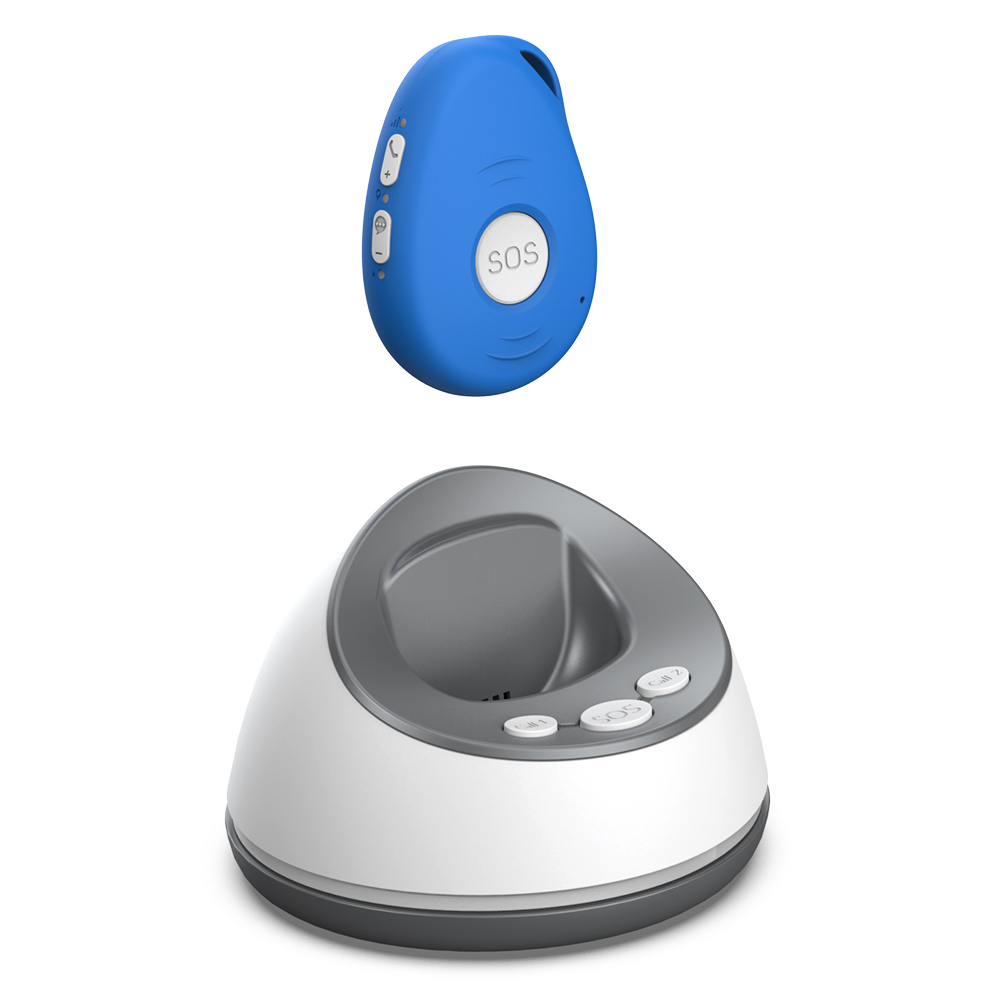
- Test the pendant in your daily environment. Wear it while cooking, sleeping, and showering to see if it is comfortable and stays dry.
- Check the mobile coverage in your area. GPS tracking and two-way calling rely on a strong signal. Devices that use the Vodafone New Zealand network tend to work well across most of the country.
- Set up the family monitoring feature from day one. Even if you never need it, knowing that someone will be notified if you fall reduces anxiety for everyone.
- Practice a test call. Press the button and talk through the two-way calling feature to make sure the operator can hear you and you can hear them.
Living with the Device: What Changes
The first few days with a personal medical alarm can feel strange. You are aware of the pendant around your neck, and you might worry about what people think. But that feeling fades quickly. What replaces it is a quiet confidence. You stop hesitating before walking across the room. You go outside without looking over your shoulder. You sleep better knowing that if something happens, help is a button press away.
For New Zealand seniors, the goal is not just safety. It is the ability to age in place with dignity and independence. A well-chosen medical alert button does not take away your freedom. It gives you more of it. And for the family members who worry from a distance, it offers something just as valuable: the assurance that their loved one is never truly alone.